

Svelta Labs Education & Research Journal
Fresh editorial content for peptide research, skincare science, wellbeing categories, Svelta-GPT updates, and research-use product guidance.






Healthy Habits for a 10kg Weight-Loss Goal
Small repeatable changes can make a weight-management plan easier to follow. Set an appropriate personal goal and focus on routines rather than a guaranteed transformation.
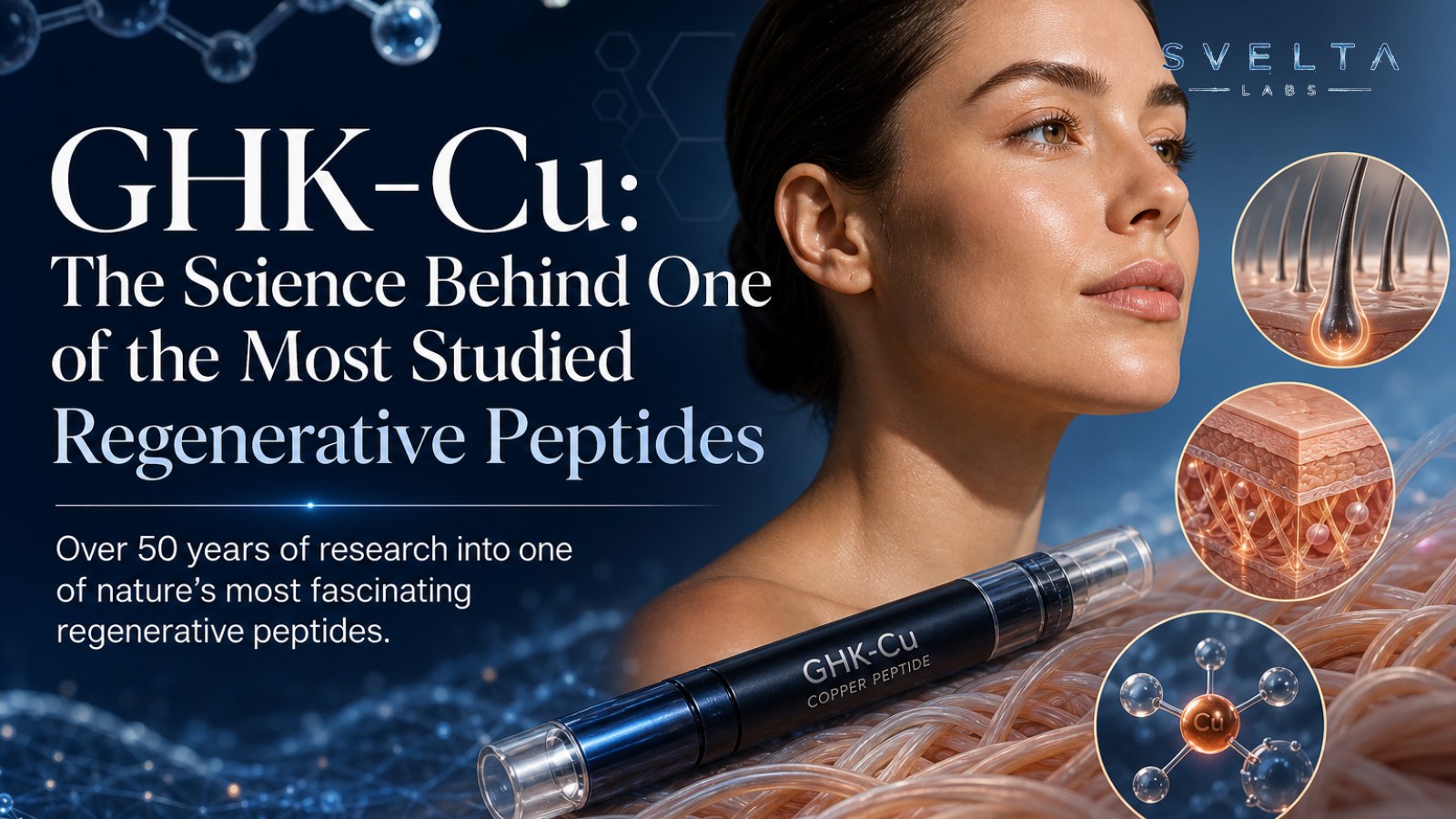
GHK-Cu Peptide Research: Copper, Collagen and Evidence Limits
GHK-Cu is a copper-binding tripeptide with a long research history. The important distinction is between a measured laboratory result and a proven result for a product.

What Is MOTS-c? Mitochondrial Peptide Research and Its Limits
MOTS-c is a mitochondrial-derived peptide studied in metabolic signalling. The original cell and mouse findings are a starting point for research, not a personal health promise.
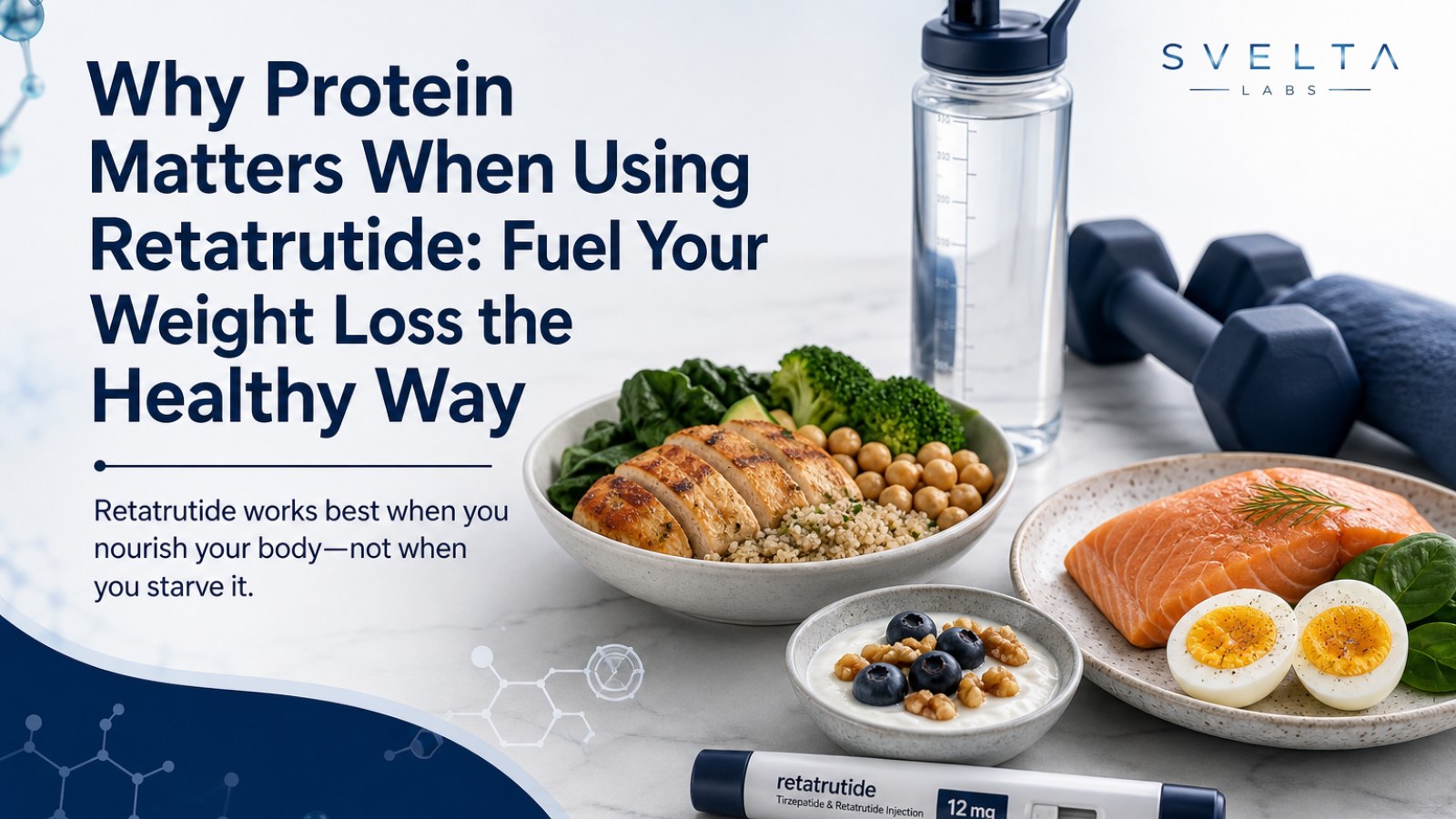
Protein for Weight Loss: Nutrition Beyond Retatrutide Headlines
Keep the useful nutrition principles separate from drug claims: plan balanced meals, include varied protein foods and seek individual support when needed.
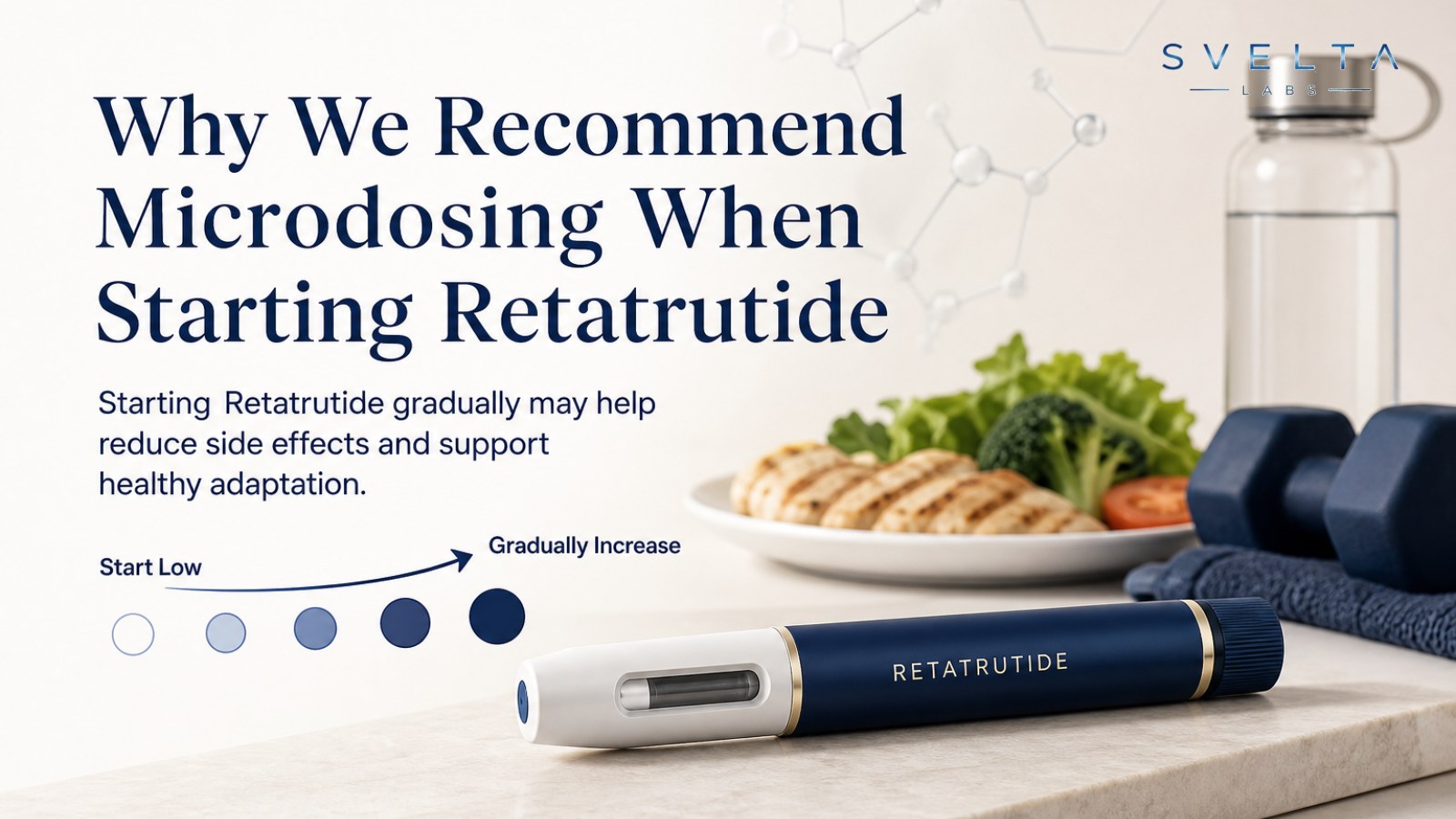
Retatrutide Microdosing: Why There Is No Approved Starting Dose
There is no approved retatrutide regimen for self-directed use. A small dose, online calculator or informal recommendation cannot replace trial safeguards.
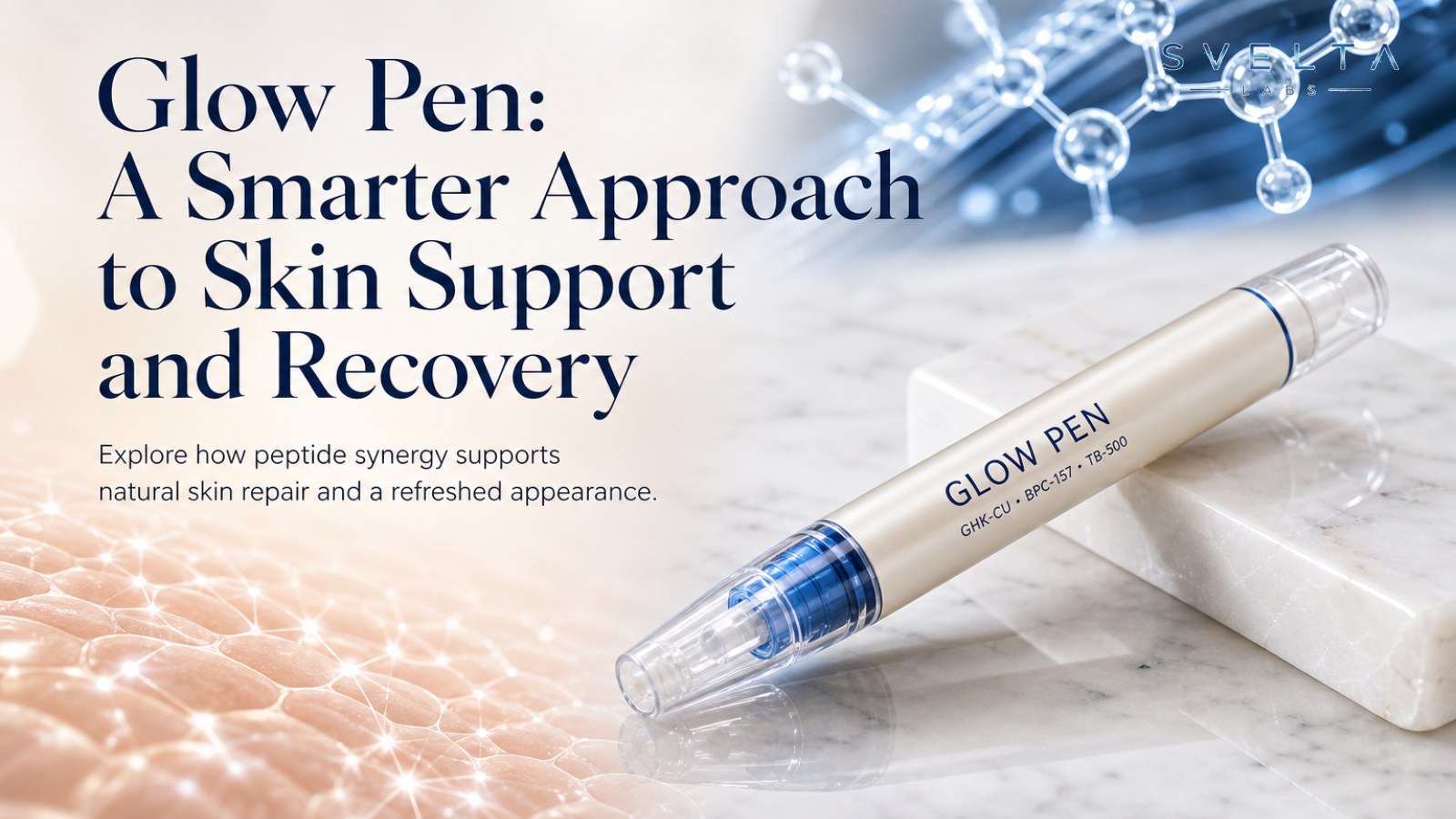
Glow Peptide Pen: Listed Ingredients and Research Limits
The Svelta Glow Pen listing names GHK-Cu, BPC-157 and TB-500. This guide separates that product description from evidence about ingredients and the untested blend.
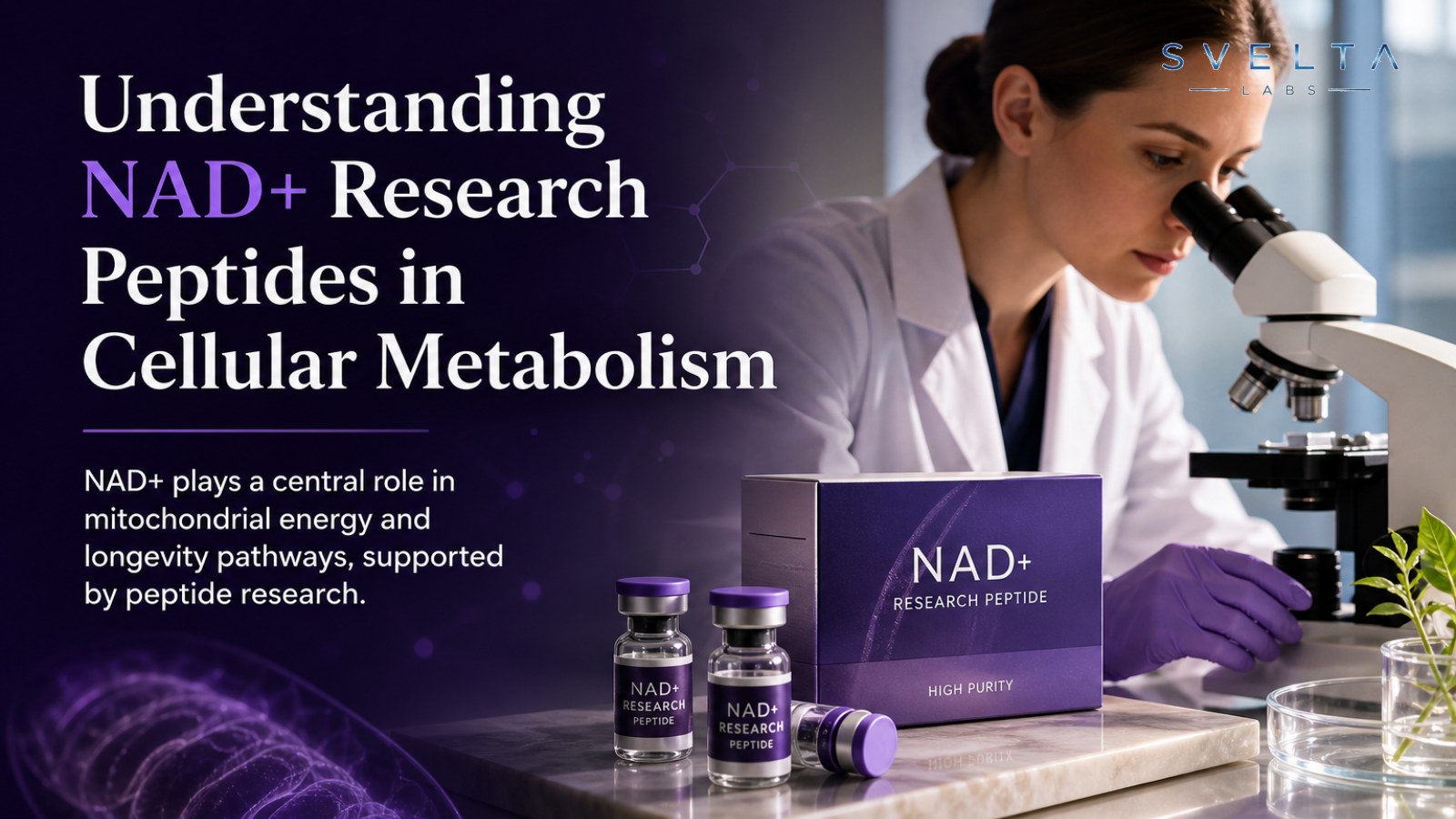
Is NAD+ a Peptide? Understanding the Coenzyme and Research Claims
NAD+ belongs to the dinucleotide coenzymes. Its established role in cellular chemistry should be distinguished from unverified benefits claimed for a particular preparation.

Peptide Therapy Benefits: Ten Research Claims to Examine
Skin, muscle, sleep and metabolic claims often appear in peptide marketing. This guide turns ten promised benefits into questions about the actual evidence.
Injectable Peptides: Safety Questions to Discuss With a Clinician
A patient-focused guide to distinguishing licensed peptide medicines from experimental injections, checking evidence and preparing questions for a clinical consultation.
Peptide Safety: How to Assess Wellness and Longevity Claims
Peptide discussions often combine licensed medicines, experimental compounds and unrelated ingredients. A useful safety assessment starts by separating them.
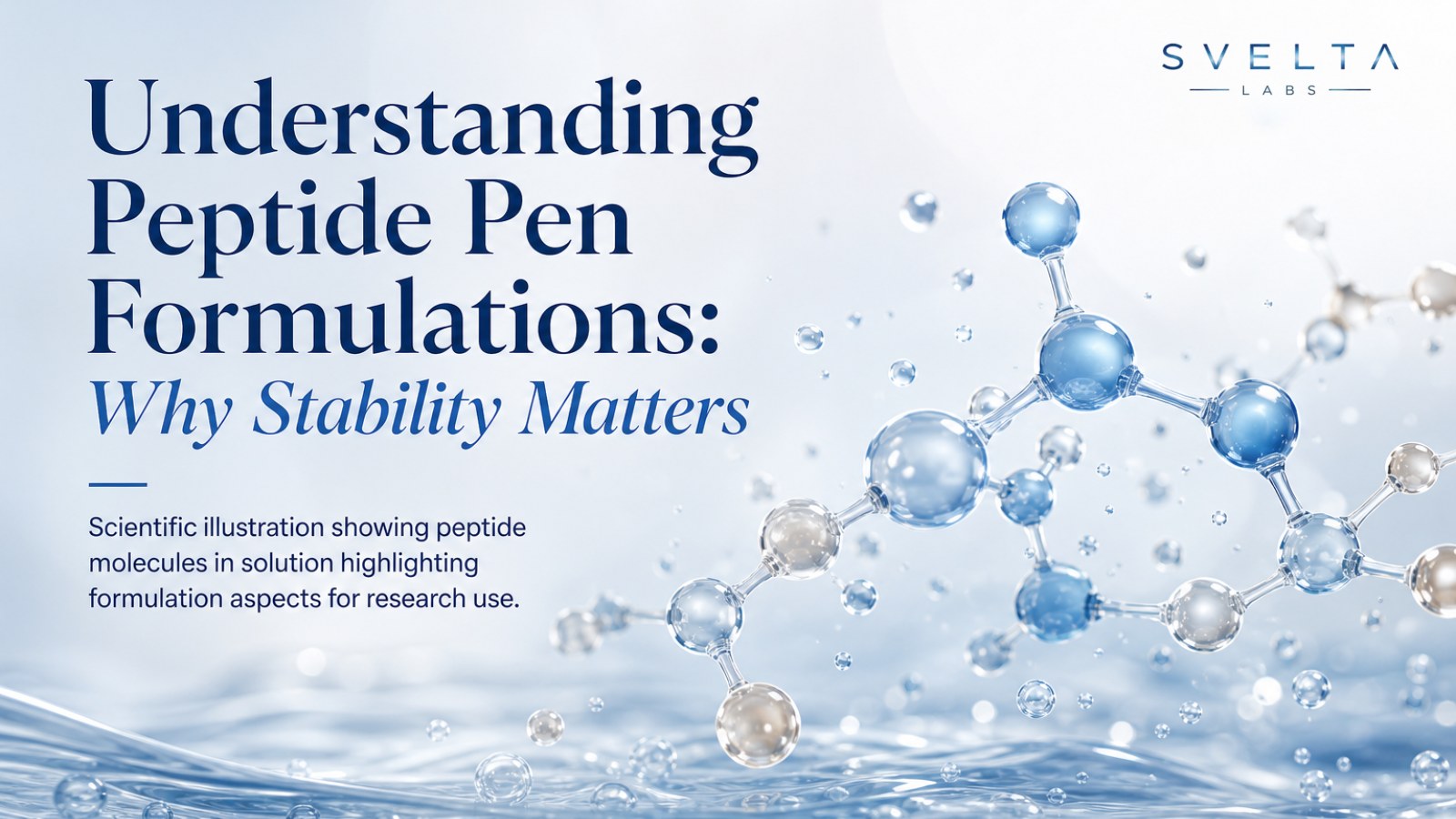
Peptide Pen Formulation and Stability: What Documentation Matters?
A pre-filled format does not establish shelf life. Review formulation-specific stability evidence, storage conditions and the limits of a certificate of analysis.
Research Peptides and Approved Medicines: What Is the Difference?
Peptide science includes laboratory compounds, investigational treatments and licensed medicines. Those categories are not interchangeable, even when names sound familiar.